What is Charcot-Marie-Tooth Disease? A Complete Guide to CMT
What is Charcot-Marie-Tooth Disease?
Charcot-Marie-Tooth disease, or CMT, is a progressive, degenerative disease involving the peripheral nerves that branch out from the brain and spinal cord to other parts of the body, including the arms, hands, legs and feet. CMT was discovered in 1886 by doctors — Jean-Martin Charcot, Pierre Marie, and Howard Henry Tooth— for whom the disorder was named.
Typically, the brain and nerves are constantly communicating with each other. But with CMT, the motor nerves (the nerves that control our muscles) and sensory nerves (the nerves that carry sensory information like pain and temperature to the brain) don’t work properly. They have trouble sending signals to and from the brain. This results in numbness, sensory loss, muscle weakness/atrophy and nerve degeneration. Over time, the muscles weaken and deteriorate.
Symptoms may begin as early as birth or during adulthood, and they become gradually worse over time. There are currently no treatments or cures for CMT.
Charcot-Marie-Tooth Disease Frequently Asked Questions
Charcot-Marie-Tooth disease (CMT) is the most common inherited peripheral neuropathy in the world. This page answers the most common questions about CMT, from symptoms and diagnosis to treatment and the latest research.
Note: These are broad answers to frequently asked questions and should not serve as medical advice. People with CMT are encouraged to talk to their clinicians before making any health-related decisions.
What is CMT, and how does it affect the body?
Charcot-Marie-Tooth disease is a group of inherited conditions that damage the peripheral nerves, the nerves that connect the brain and spinal cord to the muscles and sensory organs of the arms, hands, legs, and feet. CMT causes progressive muscle weakness, sensory loss, and foot deformities. Symptoms typically begin in the feet and legs and may spread to the hands and arms over time.
How common is CMT, and who does it affect?
CMT affects approximately 1 in 2,500 people worldwide, making it the most common inherited neuromuscular disorder with over 3 million people affected worldwide. It occurs across all ethnicities and genders. In the United States, an estimated 125,000 people are diagnosed with Charcot-Marie-Tooth disease, though experts believe the true number is higher due to widespread underdiagnosis.
What are the signs and symptoms of CMT?
Early signs of Charcot-Marie-Tooth disease include high arches or hammertoes, frequent ankle sprains, foot drop, and difficulty walking on uneven ground. Many people also notice numbness or reduced sensation in the feet and lower legs. Symptoms are often subtle at first and may be mistaken for clumsiness or other conditions. However, symptoms can advance to be much more challenging, with some subtypes leading to significant hand weakness affecting daily tasks, wheelchair use (even beginning in childhood), and in the most severe cases, life-threatening breathing difficulties.
Is there a cure for CMT?
There is currently no cure for Charcot-Marie-Tooth disease. Treatment focuses on managing symptoms through physical therapy, orthotics, and pain management. However, CMT research is advancing rapidly, with gene silencing therapies and other disease-modifying approaches currently in clinical trials.
How is CMT inherited, and what is the risk of passing it to children?
Charcot-Marie-Tooth disease is caused by inherited gene mutations and follows three main inheritance patterns: autosomal dominant, autosomal recessive, and X-linked. The most common pattern is autosomal dominant, which carries a 50% chance of passing the mutation to each child. Genetic counseling can clarify the specific risk for your family.
What are the different types of CMT, and how do CMT1, CMT2, CMT4, and CMTX differ?
Charcot-Marie-Tooth disease includes more than 100 genetic subtypes. CMT1 damages the myelin sheath surrounding nerve fibers, slowing nerve conduction, while CMT2 damages the axons themselves, reducing signal strength. CMT4 is a rarer, recessively inherited group of subtypes, and CMTX, the second most common form, affects males more severely than females due to its location on the X chromosome.
How is CMT diagnosed?
Charcot-Marie-Tooth disease is diagnosed through a combination of clinical evaluation, nerve conduction studies, and genetic testing. Nerve conduction studies identify whether myelin or axons are affected, while genetic testing confirms the specific mutation and subtype. Evaluation at a specialized neuromuscular clinic is strongly recommended for an accurate diagnosis.
What treatments and therapies are available for people living with CMT?
Treatment for Charcot-Marie-Tooth disease focuses on maintaining function and managing symptoms. Physical therapy, occupational therapy, and ankle-foot orthoses (AFOs) are the primary tools. Certain medications can worsen CMT symptoms, so patients should review their full medication list with a CMT-knowledgeable physician.
Is CMT fatal, and does it affect life expectancy?
Charcot-Marie-Tooth disease does not shorten life expectancy in most cases, though it can. CMT affects the peripheral nervous system and does not damage the brain or vital organs. However, it’s worth noting that it can impact respiratory function. Most people with CMT remain active throughout their lives, though some will require mobility aids as the disease progresses.
What is the latest research on treatments and potential cures for CMT?
Research into Charcot-Marie-Tooth disease is advancing faster than ever, with gene silencing therapies, antisense oligonucleotides (ASOs), and small molecule drugs currently in or approaching clinical trials. CMT1A, the most common subtype, is a primary research target.
This content is intended for general educational purposes and does not constitute medical advice. Please consult a qualified neurologist or genetic counselor for guidance specific to your situation.
Support the Search for a CMT Cure
The CMT Research Foundation (CMTRF) is a patient-led nonprofit with one mission: to fund the science that delivers treatments and cures for Charcot-Marie-Tooth disease during our lifetime. Donations go directly toward the most promising CMT research, and it is working: CMTRF-backed programs have already advanced to clinical trials and attracted major pharmaceutical investment.
There is currently no cure for CMT.

CMT affects 1 in 2,500 people in the United States and more than 3 million people worldwide.
CMT affects people of every gender, race and ethnicity.
What Causes Charcot-Marie-Tooth Disease?
CMT is caused by genetic mutations. The type of CMT you have is determined by which gene is affected. CMT classification uses numbers (1, 2, 3, 4, 6) to depict type and letters (A, B, C …) to represent a subgroup within that type. An exception is type X (CMTX), which is passed down by X-linked inheritance.
Thanks to genetic testing and research there are more than 100 known genetic mutations that cause CMT, but most people have one of four most common types of CMT. These subtypes are:
- CMT1: Charcot-Marie-Tooth disease type 1 represents one of the most common hereditary types of neuropathy, highlighting the diversity of Charcot Marie Tooth types. This form of CMT affects the peripheral nerves with symptoms often manifesting in adolescence or early adulthood. CMT1 is primarily inherited in an autosomal dominant manner, making it a crucial subtype among the Charcot Marie Tooth disease types. Understanding the genetic underpinnings of CMT1 is essential for grasping how many types of Charcot-Marie-Tooth disease are there, offering insights into its diagnosis and management.
- CMT2: CMT2 is a significant subtype in the classification of Charcot Marie Tooth disease types, distinguished by its impact on the peripheral nerves. Unlike CMT1, CMT2 involves axonal damage that leads to muscle weakness and sensory loss, showcasing the complexity of types of Charcot Marie Tooth disorder. This form of CMT, highlighting how many types of Charcot Marie Tooth exist, is also inherited in patterns that can include autosomal dominant traits. The exploration of CMT2 enhances our understanding of Charcot-Marie-Tooth disease and its hereditary nature.
- CMT4: CMT4 is a rare and severe form of Charcot Marie Tooth disease, characterized by its autosomal recessive inheritance pattern. This subtype highlights the complexity and diversity among the Charcot Marie Tooth disease types, with significant implications for how many types of Charcot Marie Tooth disorder are recognized. CMT4’s impact on the peripheral nerves is profound, leading to early-onset symptoms that can significantly affect quality of life. As part of the broader spectrum of Charcot-Marie-Tooth disease, CMT4 underscores the critical need for research and awareness of these hereditary types of neuropathy.
- CMTX: Among the Charcot Marie Tooth types, CMTX stands out for its X-linked pattern of inheritance, contributing to the rich diversity of Charcot Marie Tooth disease types. This subtype affects both males and females differently, offering a unique perspective on the types of Charcot Marie Tooth disorder. CMTX is particularly notable for its impact on the peripheral nerves, leading to symptoms that can vary widely in severity. As researchers continue to explore how many types of Charcot-Marie-Tooth disease are there, CMTX remains a critical area of study for understanding this form of CMT.
The mutation is always hereditary, meaning it can be passed down from a parent to their child. The mutations originate in families by appearing spontaneously while DNA is forming in a child. Once there is a spontaneous mutation it can then be inherited by future children. CMT is something you are born with — it is not caused by anything you do and it is not contagious.
Symptoms of Charcot-Marie-Tooth Disease
The symptoms of Charcot-Marie-Tooth disease and the age when they begin depend on the type of CMT. Some people with CMT start experiencing symptoms as teens or young adults. Other types of CMT can cause symptoms in babies.
CMT symptoms found in teens or young adults:
- Trouble gripping and holding things (sensory loss)
- Tripping and struggling with balance
- Shuffling, marching or dragging the feet when walking
- Cold hands and feet
- Numbness or tingling in the feet or hands
- Curled toes (also called hammertoes)
- High arches in the feet
CMT symptoms found in babies:
- Trouble grasping and holding things
- Taking longer to hold their head up, sit, crawl, stand and walk
- Falling more than babies their same age
Less common symptoms of CMT can include sleep apnea, swallowing problems or choking, hearing loss, scoliosis, and breathing problems (from respiratory muscle weakness).
Testing for Charcot-Marie-Tooth Disease
Testing for Charcot-Marie-Tooth disease involves a comprehensive approach that integrates clinical evaluation, family history, and various diagnostic tests. This process is essential for diagnosing CMT and determining the specific subtype a patient may have.
Initially, a detailed medical history and neurological examination are conducted to assess symptoms consistent with peripheral nerve damage, a hallmark of CMT, and usually includes electrophysiological tests, such as nerve conduction studies and electromyography. These tests measure the electrical activity transmitted through the nerves and in the muscle and can help distinguish between the primary subtypes of CMT.
Given the genetic nature of CMT, genetic testing has become a key step in confirming the diagnosis. This test can detect the presence of gene mutations associated with the various forms of CMT. Genetic testing not only facilitates precise diagnosis, but also allows for more accurate treatment strategies and more understanding of the inheritance pattern. Having a genetic diagnosis also allows for more contribution to the advancement of drug development research.
In some cases, a nerve biopsy may be considered to further evaluate the structure and function of the peripheral nerves. This invasive procedure is less commonly performed today due to the advancements in genetic testing but can be useful in complex cases where the type of CMT remains unclear.
Together, these diagnostic approaches enable healthcare providers to identify the specific subtype affecting an individual to better manage the condition effectively and provide targeted interventions that address the unique challenges of the different types of Charcot Marie Tooth.
Treatments for Charcot-Marie-Tooth Disease
There are currently no known treatments or cures for Charcot-Marie-Tooth, but the following can help manage symptoms:
- Pain medication
- Braces or splints that support the feet and ankles
- Custom-made shoes or shoe inserts
- Physical therapy to help the muscles remain strong and flexible
- Occupational therapy to strengthen the muscles used for writing, gripping and other everyday tasks
- Surgery to correct joint deformities
- Hearing aids to help with hearing loss
While No Treatments or Cures Currently Exist for Charcot-Marie-Tooth Disease, the Science to Change That Does
Now that scientists know of more than 100 gene mutations that cause CMT, they can work to develop drugs that will target those genes or their functions. The CMT Research Foundation is solely focused on funding CMT research that has the promise to deliver safe and effective treatments for people with all forms of CMT. By pursuing creative and unconventional strategies to advance scientific discovery and partnering with researchers, medical experts, industry leaders and patients, we’re speeding urgently needed progress and answers to families once and for all.
Everything You Need to Know About Charcot-Marie-Tooth Disease in Five Minutes
Want to better understand CMT, the peripheral nervous system, CMT genetics and therapy development? Watch these three CMT 101 videos from research expert Dr. Grace Pavlath.
News
Life with CMT
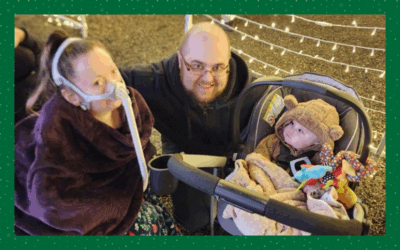
Lighting the Future: A Mother’s Fight for a Cure
The Greatest Gift: Kaileen Nelson, Canada, Living with CMT2D Every December, Kaileen looks for light. Not just the glittering bulbs strung across her Canadian neighborhood — b...
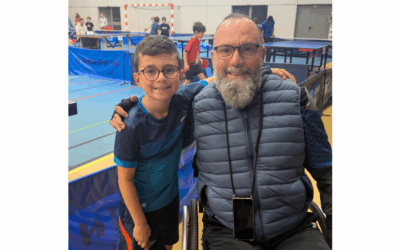
A Father Who Defies ‘Impossible’: Joao Cardoso’s Journey with CMT
Joao Cardoso, Brittany, France, Living with CMT Joao Cardoso never imagined that he would be riding through the town of Brittany, France, in a wheelchair, while his eight-year-o...

Because of Luca: A Family’s Fight Against CMT
Tara, Luca, Liam and Lane, Louisiana, Living With CMT When Luca Haik was just four years old, his mother, Tara, sensed something wasn’t right. “Luca came home from school ev...

More Than Just a Rare Disease: Jodi Balog’s Journey With CMT
Jodi Balog, Pennsylvania, Living With CMT Jodi Balog has lived with Charcot-Marie-Tooth disease for more than 30 years. Diagnosed at the age of 13, CMT has become all she’s ev...

The Greatest Gift: Jillian Cabernel’s Story of Strength, Magic and the Hope for a Cure
The Greatest Gift: Jillian Cabernel, Vancouver, BC, Living With CMT December 2023 was a Christmas to remember for Jillian Cabernel. For the first time in her life, she truly fel...

Inaugural Zero-K Run Raises Awareness for CMT and CMTRF
When many people think of the word “race” they imagine a 5k, 10k and even a half-marathon. But, what about a new type of run that directly benefits patients with Charcot-Mar...

Walking Manhattan to Find a Cure
From a young age, Rivka knew that there was something different about her compared to her 3 siblings. That difference was Charcot-Marie-Tooth disease. Meet Rivka, a young a...

The Importance of Fundraising
By: Miron Hall Because CMT is a rare disease, it often receives less attention and funding than more common medical conditions. Without adequate resources, researchers struggle ...